A label that reads 'Forging home, the migration issue'
Issue 02
Issue 02
Exit Article button

What's  

in

a

(n

African)

name?

Where we often lose parts of our family and antecedents to plights into an Australian society, our names provide a root.

words BY Chelsea Makena Marangu
10 MIN READ & 25 min watch
As a child, I knew
I had four names.
In the classroom, it was always Chelsea. A name that both surprised my teachers and peers who seemingly expected something more difficult, and was often followed by: “Yes, like the football team.” At the hall parties, the Kenyan get-togethers and the church gatherings, I was known by Makena – a name which has been anglicised through Western media over time, but is my tribal language's word for joy or ‘always smiling.’ My last name, Marangu, was the one which caused a pause or a stutter over the school PA system, and indicated to people that I was in fact not white. 

My names, in accordance with tradition, were derived from my father and his family. The practices of the Kimeru tribe to which I belong leaves a first-born child's name up to their father and his family.
It’s our middle names, which some refer to as our ‘true’ names, that are deeply unique to our languages, cultures and traditions.
It’s common practice in Kenya to have a biblical or anglicised first name. Some may consider this a matter of convenience, yet in all actuality
it's a result of
colonisation.
It’s our middle names, which some refer to as our ‘true’ names, that are deeply unique to our languages, cultures and traditions.
Kimeru history states that your middle name should be decided by your grandparents, or honour a quality of your grandparents should they have passed. Other tribes follow different naming systems for the middle name. Kalenjins often name a child directly after their grandparent, whereas Kikuyus ebb and flow between the two naming conventions.
Across Kenya, a child's surname is supposed to be their father’s middle name, a convention which has become archaic, yet often provides the child with a direct ancestral link. In Ethiopian nomenclatures the ancestral link is more direct, with children often having last names that incorporate their paternal grandparents over several generations.
Across the Western coast, some Nigerian tribes hold ‘naming ceremonies’ when a child is born, where close relatives and friends important to the family collectively anoint the child with several names which define the qualities the child should live up to, and the greatness they should strive for. 

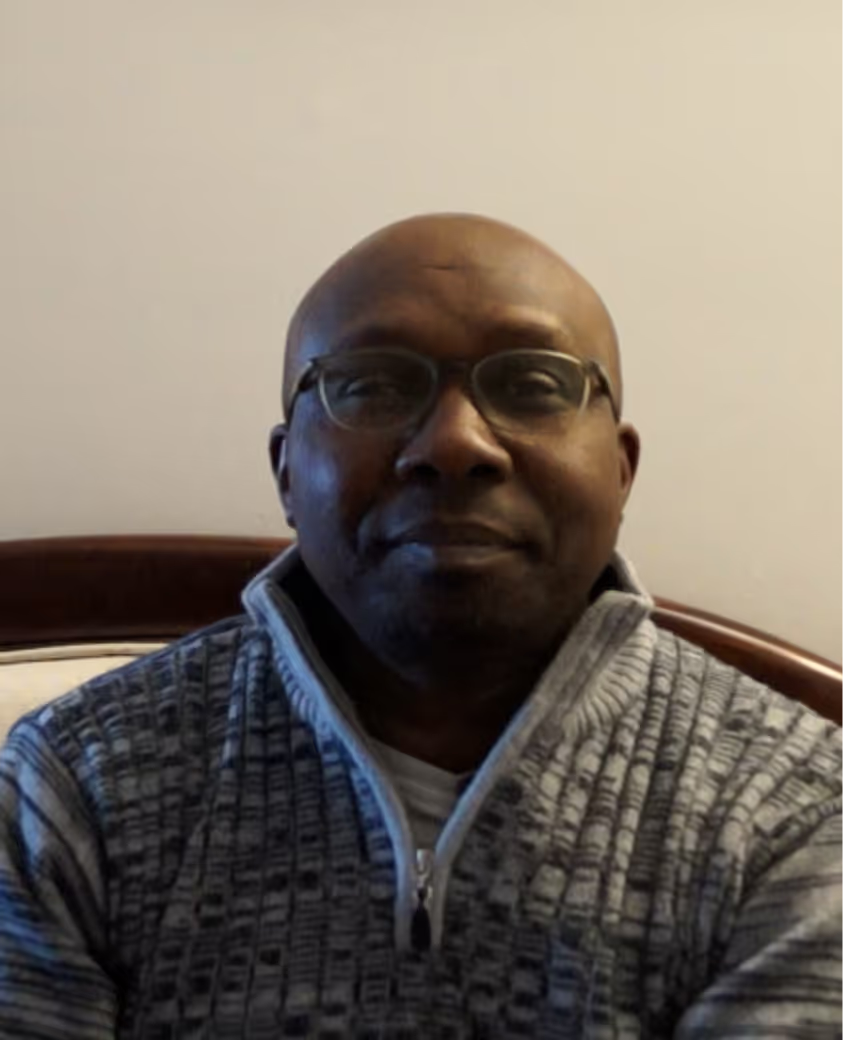
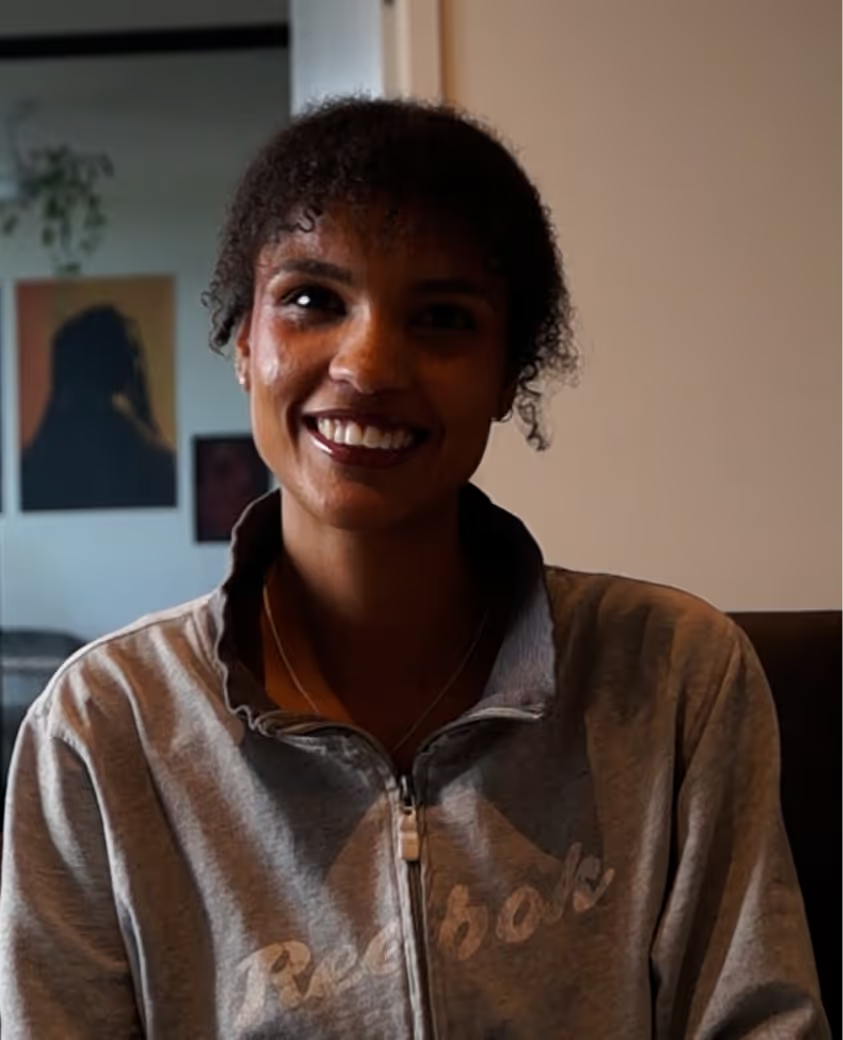
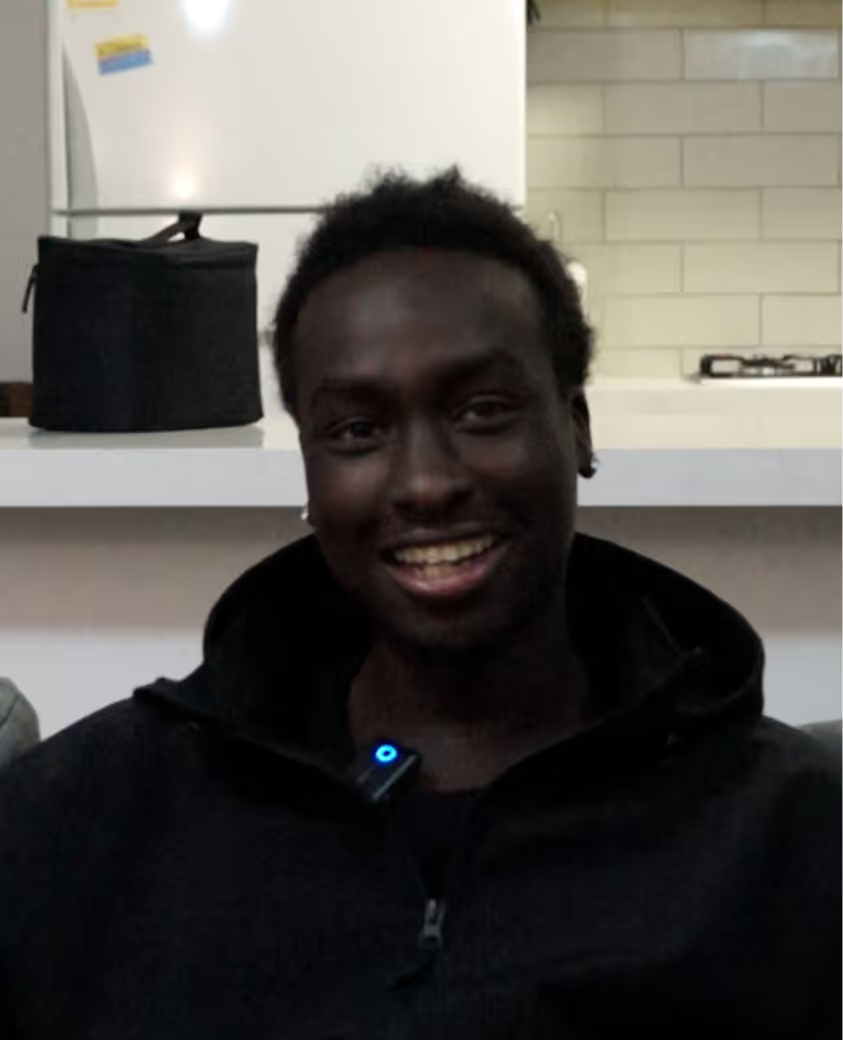
Elijah Muthomi Marangu

Watch Video

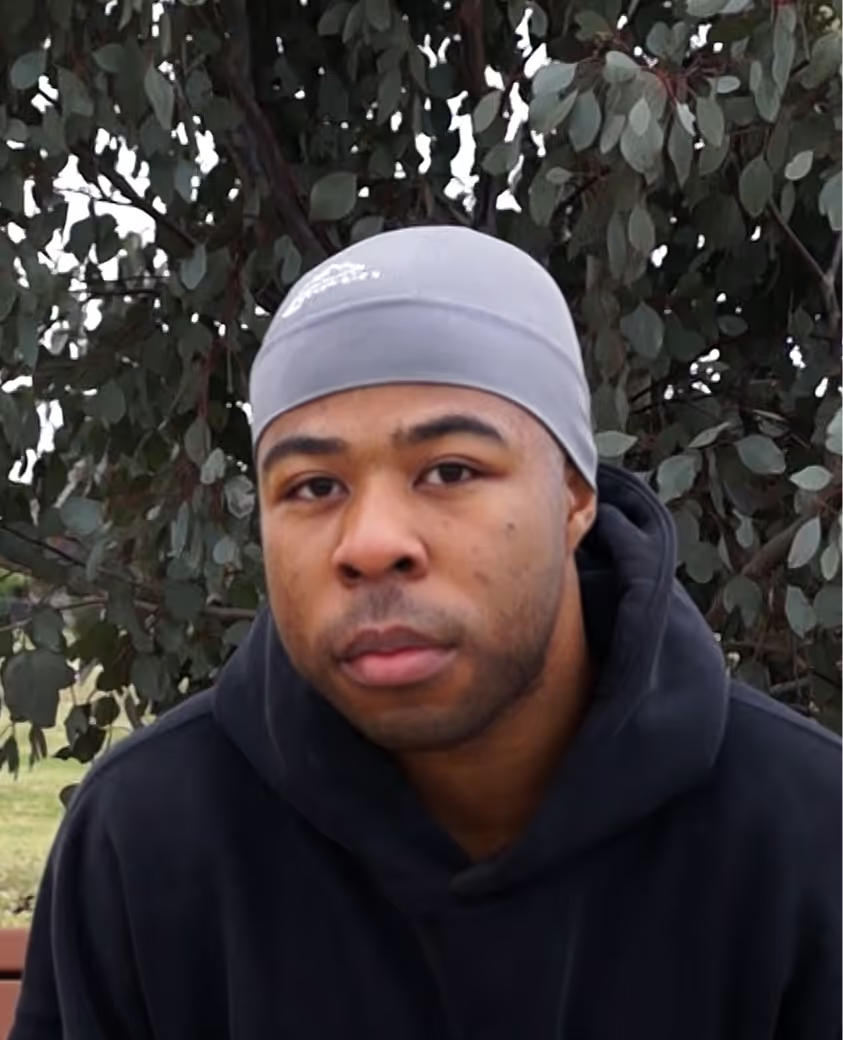
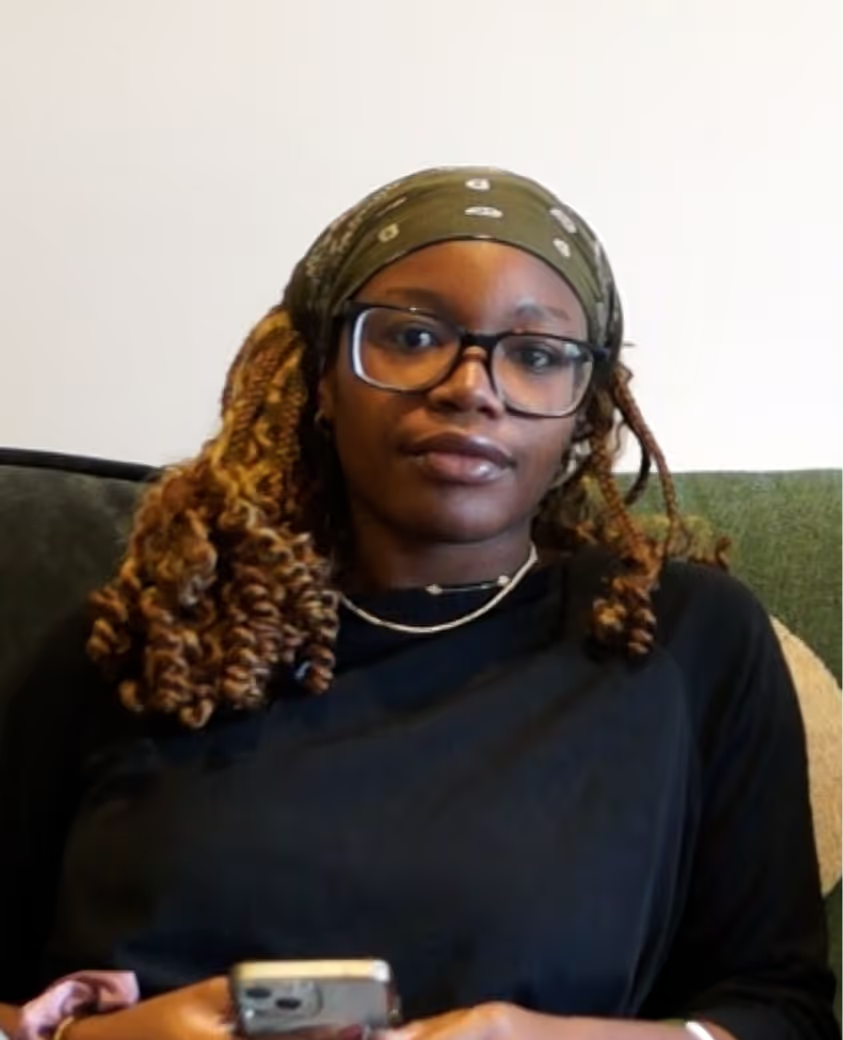
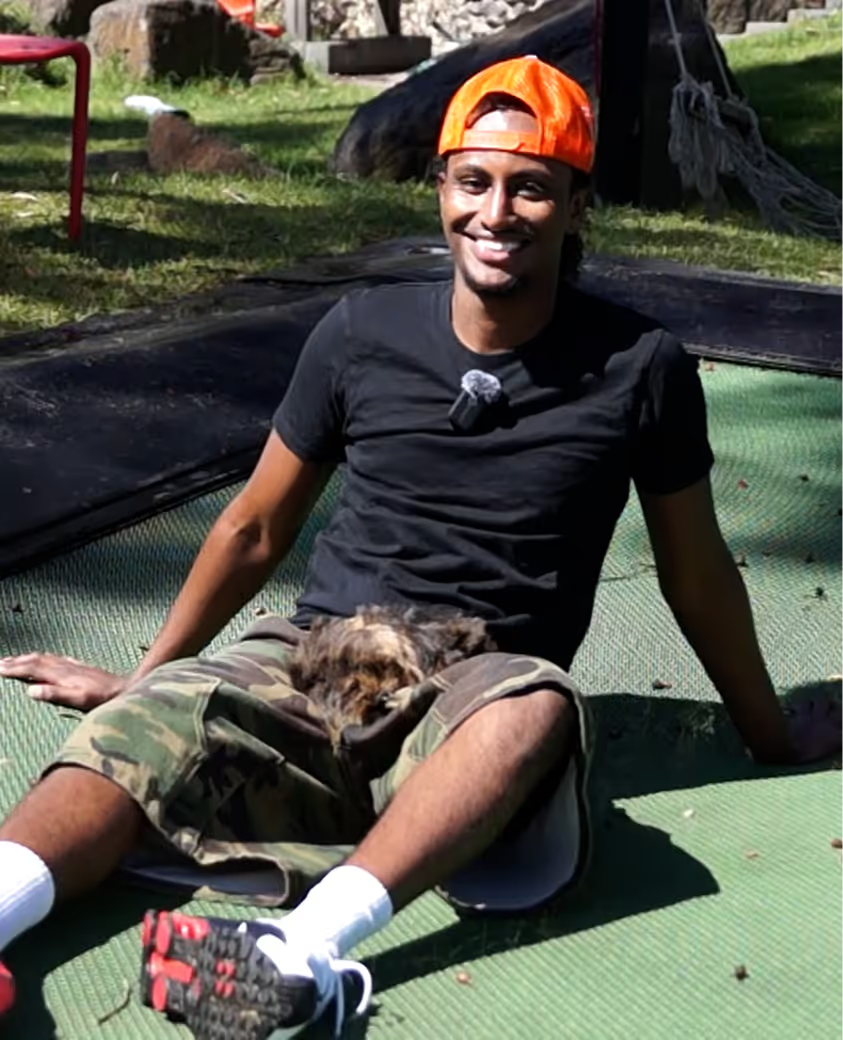
Divine Uchenna Chimere Emezie

Watch Video

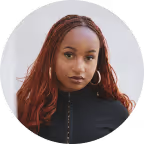
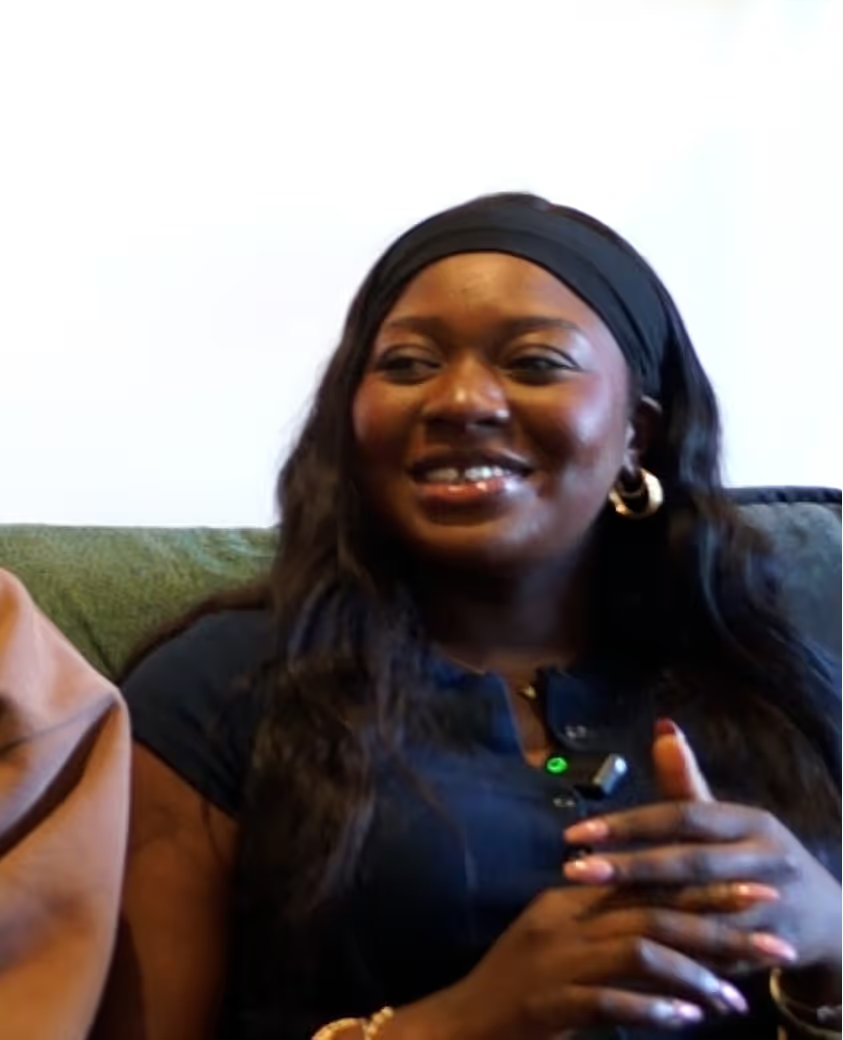
Malayika Chiquita Russell

Watch Video
A label that reads 'Watch Video'
Across Africa,
the length and history behind
our names is celebrated.
They’re often an indication of where a child’s family has come from and where they shall go, but Western societies often see them as a hindrance.
It’s become commonplace to abbreviate our names, especially the ones atypical to a Western culture. Oluwale becomes Olu, Motunrayo becomes Mot. These shortenings make us more ‘palatable’ in the classroom and workplace, and contribute to an effort to fit what the world wants us to be, rather than what we are. 
A study conducted by
Monash University in 2023
reported that ethnic minorities with non-Western names
received 57.4% less callbacks to job interviews.
It is always clear that our names are significant and can communicate more than we realise inadvertently. But it’s not often apparent how much this can affect our lives in Western societies.
Statistics akin to this often confirm my feelings of gratitude for a name rooted in Western culture. I can admit I often felt a sort of gratitude to my father for picking two ‘white, cookie-cutter’ names. However, I began to grow a disdain for being asked what my ‘actual name’ was, or whether Chelsea was just something I picked out for convenience.
For someone whose blackness will always be at the forefront of how they are perceived, I seemed to have been granted a name so synonymous with the country that colonised my ancestors.
For all the benefits associated with a Western aligning name, there is an obvious internal struggle with
being removed
from your culure.

Oluwatoyosi (Toyo) Aduke Ayomide Omolara Eniolaoluwa Titilayomi Anjolaoluwa Oluwapelumi Omolade

Watch Video

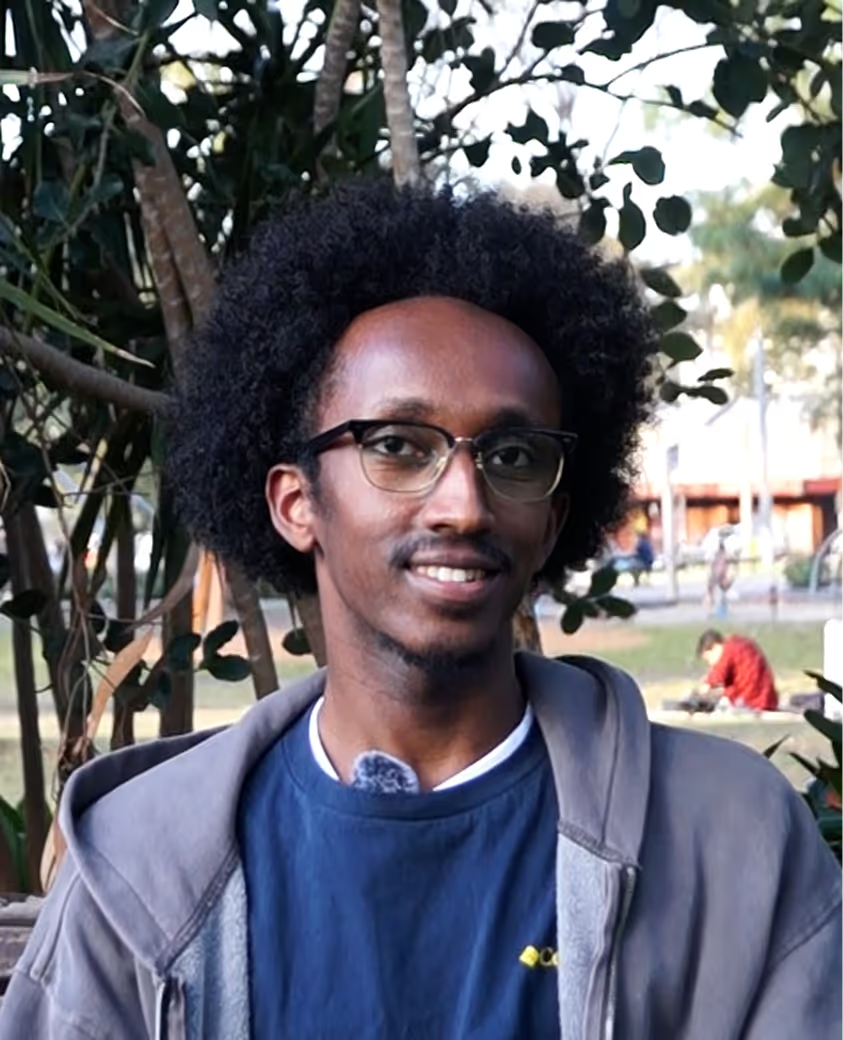
Nagawo (Nagi) Hamida Felema

Watch Video

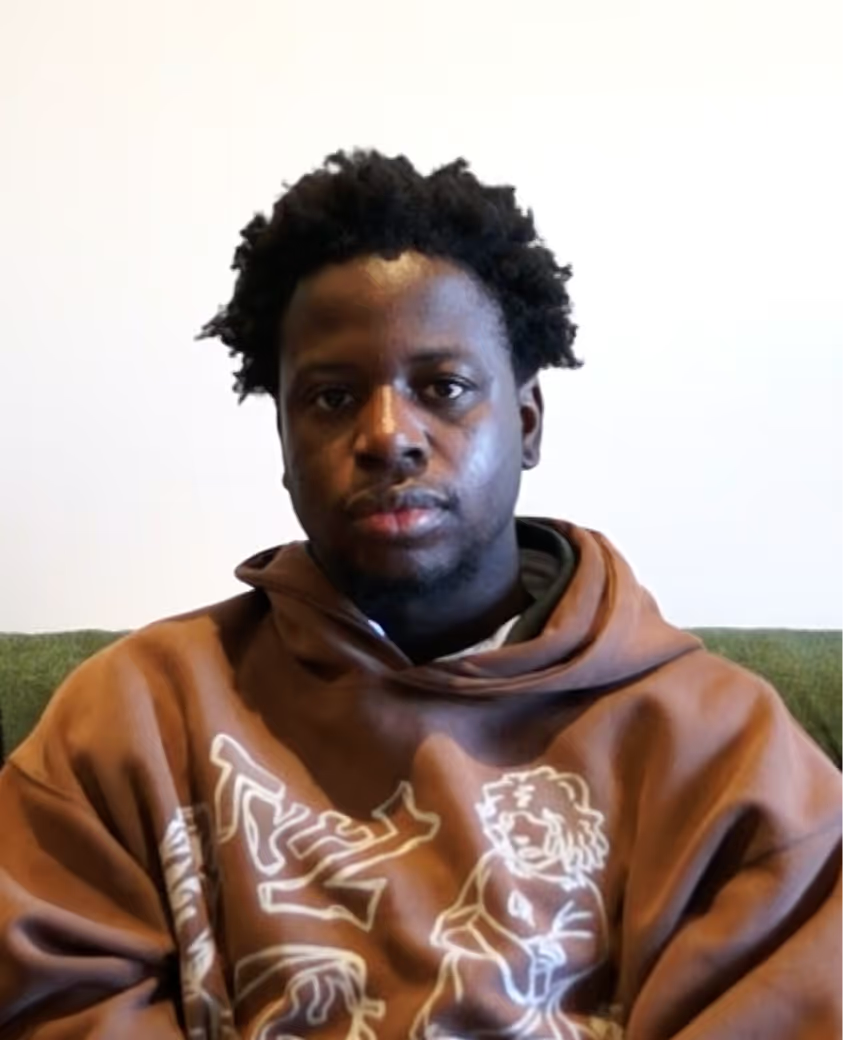
Samuel Toluwani (Tolu) Adebayo Adeifeoluwa Olurunsho Olanrewaju Oguntade

Watch Video
A label that reads 'Watch Video'
Entrance into a Western society is often scarred by the pressure to assimilate and anglicise every element of our being. Yet our names are intended to give us strength – they’re bestowed upon us through tribal traditions and are amplifications of our ancestral stories. Every time a second-generation, third-culture African Australian asks their parents or family what the story of their name is, they regain a part of their culture and history.
Where we often lose parts of our family and antecedents to plights into an Australian society, our names provide a root. This root remains at the front of our perception,
for our names are inseparable from
how we know ourselves, how we move, and how others will come to know us.
Whilst my father chose the names I hear on a daily basis, my fourth name was always reserved for the household, Kesh. A name that I grew to hate due to my association with it being yelled across the hallways in a negative tone. It wasn’t until I enquired where this four letter name came from that I grew an appreciation and security within the bounds of my name. 
My late maternal grandfather, Major Joseph Mugambi Magiri, chose the nickname Kesh. A man who was a figure larger than life itself, who commanded respect at every turn. Major was always the first call made when in trouble, the first person to offer a shoulder to cry on, and the root of peace within our family.
A name which started as a shortened version of Makena is now unanimous with my parents' combined journey and my own personal motivations. It references my father, who lost his mum before I was born, and gave me the name Makena because of her constant smile that I’ve been told I share. United with my mother’s father, his own spin on my name was fuelled by the love and endearment he had for his grandchildren.
More often than not, all the supposed benefits and gratuity derived from an English-sounding name are eradicated upon hearing my nickname.
A name which I detested hearing as a child has become the only thing that provides me with
true comfort. 

Barach (Barec) Dau Akol

Watch Video

Mubashir Moussa Ali Hassen Dirane Dirie Aqal hidid Ismael

Watch Video

Ayokunmi Motunrayo (Mot) Ajetomobi

Watch Video
A label that reads 'Watch Video'
Truth be told, I’ve grappled with the reality of my name over the past 20 years. It's easy to long for a name that sounds more like the continent I’m supposed to represent,
and it’s even easier to appreciate not needing to stretch myself thin or lose a part of myself
in the journey
of assimilation.
Yet I’ve begun to realise that whilst my names are not unfamiliar to a Western ear (I’m sure there are many Chelseas and Makenas to come) the stories associated with all of my names will be. It is a story of both my past and future.
My father chose Chelsea for its likelihood to flowers, the potential of a new future blooming in Australia, and perhaps jokingly a love for football.
Makena Marangu will always be a depiction of the practices of my tribe, the journey that my mother and father took, his love and adoration for his mother.
And Kesh will always illustrate my
grandfather's endearment and love.
Whilst I’ll continue to go by Chelsea in the classrooms and offices that await me, there will likely be nothing sweeter and more encompassing of my identity than hearing my surrogate brother, mother and father call me Kesh, and knowing the stories behind it. Although, above it all, there is nothing I miss more than hearing it from the man who made my name what it is today.
Chelsea Marangu
Chelsea Marangu is an Australian-born Kenyan living on Kulin land. Whilst completing an undergraduate degree in Law and Politics, Philosophy and Economics, Chelsea has served as a facilitator, advisor, and contributor to multiple non-profit organisations and educational institutions. This includes the African Youth Initiative, Headspace National, Monash University, Shooters Shoot, and Centre for Multicultural Youth. Chelsea continues to remain focused on the intersectionality between cultural experiences, specifically those in Bla(c)k Australian communities, and modern art and media.